Judaica BlogJudaica Blog

The King is in What Field?

The King is in What Field?


Is it just me or is the idiom the King is in the field everywhere these days? Bloggers, email blasts, school newsletters and the likes. But what exactly does it mean that the King, our Creator, Gd, is in the field?

You see, there is a special feeling that comes with the month of Elul. The aura of Jewish living seems to immediately transform with the upcoming high holidays and the beauty of the month of Elul is in the idea that it is almost like a “buffer” month. The shofar will soon sound on Rosh Hashana, and the heavenly gates will open and close with the holiest day of the year, Yom Kippur however, we are not expected to walk into these auspicious moments blindly or unprepared.

Therefore, Gd gives us Elul.

Elul, the final month of the Jewish calendar, is considered a month of reflection, repentance, prayer, and preparation. It is the opportunity to form a renewed connection with Gd as we approach the High Holidays. Elul makes way for reflection of the past and a newfound transformation within our own lives. And at the heart of Elul is one of the most beautiful and profound Chassidic teachings: the King is in the field.

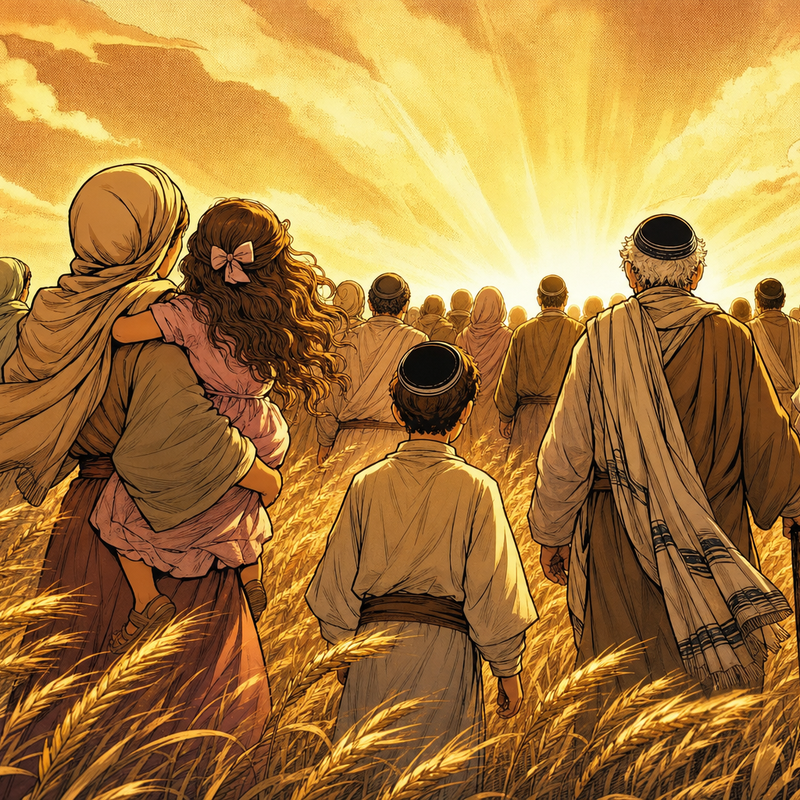
The teaching comes from Rabbi Schneur Zalman of Liadi, the Alter Rebbe, founder of Chabad Chassidism. The Alter Rebbe describes a great king who is traveling toward his royal city. Typically, a king is accessible only within the walls of his grand palace, exclusively to his royal  courtship. But before the king reaches the city, he travels throughout the surrounding fields. There, ordinary folk can approach him without following the formal royal protocol.

The king greets the people kindly, welcomes them, and does not demand that they first become members of the royal court for this meeting but rather he meets them where they are.

This is the spiritual reality of Elul. During this month, the King, our Gd, is metaphorically “in the field”. He is approachable and accessible ahead of the New Year.

This metaphorical meeting does not take place in the palace or on castle grounds but rather in the field, representing ordinary life.

The field symbolizes our place of work, our homes, our communities; where we make mistakes, pursue passions, struggle, grow and keep trying. It is not necessarily a place of holiness, it is simply where life takes place.

The Alter Rebbe teaches that this is the point!

We do not have to wait until we are spiritually perfect or connected to reach out to Gd. We can meet him wherever we are.

Elul therefore holds a sacred message of incredible accessibility.

You can connect today. You can pray today. You can give charity today. You can commit today.

Exactly as you are. And while we are encouraged to take this time of year for personal reflection and accountability, the king’s warm greeting in the field signifies that the starting point for this connection ahead of the New Year is love.


The first letters of the Hebrew words Ani Ledodi Vedodi Li, “I am my beloved’s and my beloved is mine” form the word Elul. The Alter Rebbe explains that the order of the words is significant. Starting with Ani, me, signifies that first step that we take toward Gd. We are not merely waiting for inspiration to strike us before approaching the Creator for a connection but rather we are given an opportunity to initiate however we’d like. Whether that first spark of connection comes from praying, lighting Shabbat candles, giving Tzeddakah, kissing the Mezuzah or even just a quiet act of kindness, we are saying, “I am my Beloved’s.”

During the month of Elul, we take a step toward Gd in the field and discover that He was already waiting.


Wishing you all a beautiful, inspired and introspective month of Elul, from Judaica.com!

 

```

The King is in What Field?

The King is in What Field?


Is it just me or is the idiom the King is in the field everywhere these days? Bloggers, email blasts, school newsletters and the likes. But what exactly does it mean that the King, our Creator, Gd, is in the field?

You see, there is a special feeling that comes with the month of Elul. The aura of Jewish living seems to immediately transform with the upcoming high holidays and the beauty of the month of Elul is in the idea that it is almost like a “buffer” month. The shofar will soon sound on Rosh Hashana, and the heavenly gates will open and close with the holiest day of the year, Yom Kippur however, we are not expected to walk into these auspicious moments blindly or unprepared.

Therefore, Gd gives us Elul.

Elul, the final month of the Jewish calendar, is considered a month of reflection, repentance, prayer, and preparation. It is the opportunity to form a renewed connection with Gd as we approach the High Holidays. Elul makes way for reflection of the past and a newfound transformation within our own lives. And at the heart of Elul is one of the most beautiful and profound Chassidic teachings: the King is in the field.

The teaching comes from Rabbi Schneur Zalman of Liadi, the Alter Rebbe, founder of Chabad Chassidism. The Alter Rebbe describes a great king who is traveling toward his royal city. Typically, a king is accessible only within the walls of his grand palace, exclusively to his royal  courtship. But before the king reaches the city, he travels throughout the surrounding fields. There, ordinary folk can approach him without following the formal royal protocol.

The king greets the people kindly, welcomes them, and does not demand that they first become members of the royal court for this meeting but rather he meets them where they are.

This is the spiritual reality of Elul. During this month, the King, our Gd, is metaphorically “in the field”. He is approachable and accessible ahead of the New Year.

This metaphorical meeting does not take place in the palace or on castle grounds but rather in the field, representing ordinary life.

The field symbolizes our place of work, our homes, our communities; where we make mistakes, pursue passions, struggle, grow and keep trying. It is not necessarily a place of holiness, it is simply where life takes place.

The Alter Rebbe teaches that this is the point!

We do not have to wait until we are spiritually perfect or connected to reach out to Gd. We can meet him wherever we are.

Elul therefore holds a sacred message of incredible accessibility.

You can connect today. You can pray today. You can give charity today. You can commit today.

Exactly as you are. And while we are encouraged to take this time of year for personal reflection and accountability, the king’s warm greeting in the field signifies that the starting point for this connection ahead of the New Year is love.


The first letters of the Hebrew words Ani Ledodi Vedodi Li, “I am my beloved’s and my beloved is mine” form the word Elul. The Alter Rebbe explains that the order of the words is significant. Starting with Ani, me, signifies that first step that we take toward Gd. We are not merely waiting for inspiration to strike us before approaching the Creator for a connection but rather we are given an opportunity to initiate however we’d like. Whether that first spark of connection comes from praying, lighting Shabbat candles, giving Tzeddakah, kissing the Mezuzah or even just a quiet act of kindness, we are saying, “I am my Beloved’s.”

During the month of Elul, we take a step toward Gd in the field and discover that He was already waiting.


Wishing you all a beautiful, inspired and introspective month of Elul, from Judaica.com!


```

Six Ways to Uplift This Upcoming Back to School Season

Six Ways to Uplift This Upcoming Back to School Season


Building Jewish habits around our homes is a wonderful way to bring a faithful foundation into daily life, and this new upcoming school year offers us a chance to approach “Back to School” with a Jewish lens especially ahead of the Jewish New Year, Rosh Hashana.

Below are six practical but small ways to begin:


  1. Start the day reciting the morning prayer of Modeh Ani.

Before the morning rush, school prep, and backpack filling, let us remind ourselves to pause and thank the Creator for giving us life and the opportunity to begin a new day. Reciting the prayer of Modeh Ani allows us to recognize Gd’s presence and begin the day with purpose.


  1. Bless our pancakes.

This suggestion may seem like satire, but it is far from it. Bringing awareness to Gd even in mealtimes is the ultimate way to instill a Jewish education in our children. A ten second blessing on our food can turn an ordinary practice into a Jewish one.


  1. Give a penny, even two, to someone that may have less than you.

The mitzvah of Tzeddaka, charity, encourages us and our children to prioritize generosity, and making it a habit of adding a few coins daily into a familial Tzeddaka box habitualizes goodwill, even at a young age. A child who learns that every day can include an act of giving to those in need carries a Jewish value that lives on for life.


  1. Kiss your Mezuzah on the way out the door.

We’re rushing, we’re gathering the children and we’re making sure everyone has what they need for the day. But in the midst of the morning chaos, let us habitualize the mitzvah of Mezuzah. Allowing ourselves to pause and keep Gd in our presence with a quick kiss to the Mezuzah on our way out of the house to start our busy days shifts the focus from us to that of the Creator. Just like the Mezuzah placed on our doorposts acts as a Divine protection, let us use the act of kissing the Mezuzah as a way to protect our own personal sanctity in our awareness of Gd’s presence.


  1. Shabbat Shalom, hey!

The school week can be busy, especially after summer vacation, but Friday at sundown is a Divine opportunity to reset. It is the ultimate Pause button. The candles are lit, the table is set and the glasses of wine are filled. This familiar Jewish ritual of Shabbat is a gift that allows us to put ordinary life aside and focus on what truly matters at the end of the day.


  1. End the day with Shema.

If the morning begins with the prayer of Modeh Ani, let the day end with the blessing of Shema, allowing us to end a busy day with words of faith. The prayer of Shema reminds us that we are never alone. It is a moment we’re given at the end of the day to place our stresses and worries into Gd’s hands, putting our ultimate and full trust in Him.


A Modeh Ani in the morning. A blessing over breakfast. A coin in the Tzeddakah box. A kiss to the Mezuzah at the door. A familiar and familial reset on Friday night. And Shema before bed.

These small moments, repeated daily, can help children, and adults, experience Judaism as something that is lived, every day, everywhere, and throughout the entire school year.

        Wishing you a successful Back to School season from Judaica.com!


```

The Saddest Day on the Jewish Calendar

The Saddest Day on the Jewish Calendar


In Judaism, we are no strangers to the juxtapositions between joyous and sad moments. For example, just a day after the new year festivities of Rosh Hashana, we mourn on a fast day called Tzom Gedalia. We remember on both Purim and Chanukah, the plan to annihilate the Jewish people while simultaneously celebrating the failure to do so.

And whether we spend the summers traveling the world, sending children off to summer camp, or parking ourselves in Upstate New York, we pause for Tisha B’av, translating to the 9th of the month of Av, what is known as the saddest day on the Jewish calendar.


What happened on the 9th of Av?


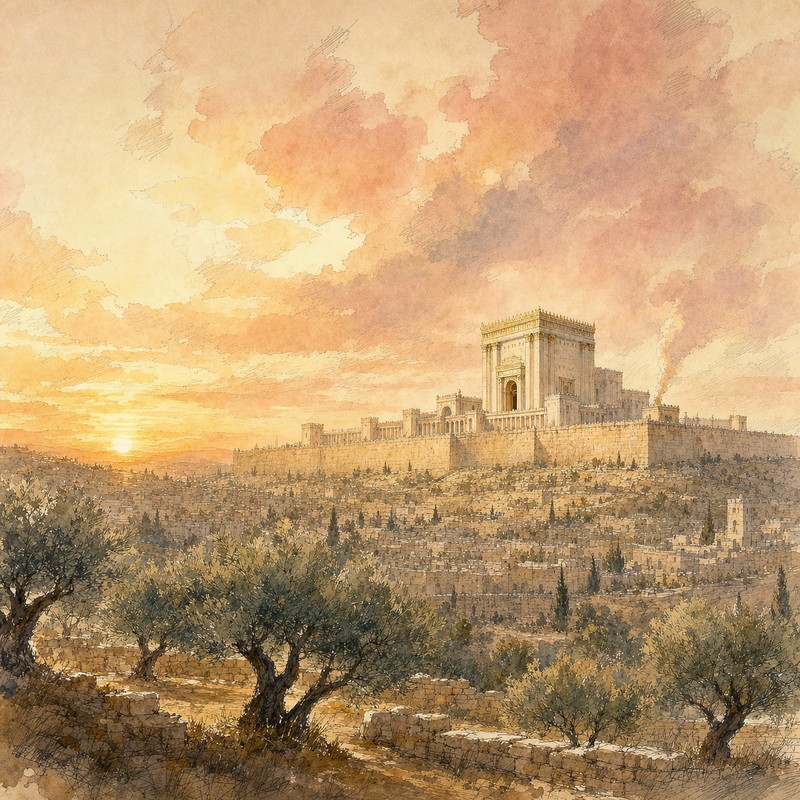
Five tragic occurrences happened on the 9th of Av but the two most important ones are the destructions of the First and Second Temples.

However, interestingly, the 9th of Av was set to be a day of tragedy long before the Temples were even built. According to the Talmud, when the twelve spies returned from scouting the Land of Israel, ten of them discouraged the Jewish people with a fearful report on the evening of the 9th of Av in which God famously said, “You cried for no reason; I will establish this day as a day of crying for generations.” Thus, we have the saddest day on the Jewish calendar.


What do we do (or don’t do) on Tisha B’av?


Beginning on the evening of the 8th of Av, after eating a pre-fast meal that ends before sundown, we refrain from eating or drinking until the evening of the 9th of Av, marking approximately 25 hours of fasting. Additionally, we do not shower or bathe, wear leather footwear or apply ointment and creams.

It is also customary as mourners to refrain from sitting on a normal height chair, learn Torah, or engage in any pleasurable activities. The 9th of Av is so strongly a day of mourning that women who are pregnant and breastfeeding are also recommended to fast, should it be considered safe for the mother and baby.


On the 9th of Av, we read the Megilla of Eicha, the Book of Lamentations, that tells the story and mourns the destruction of Jerusalem and the First Temple by the Babylonians in 586 BCE. The Megilla writes extensively about the loneliness and suffering of the Jewish people and the consequences of spiritual failures that led to the “weakened foundation of the Temple” which ultimately led to the destruction. However, it is thematically on par with the Jewish faith that while Eicha transcribes the suffering and short comings of our nation, it ends with a message of hope and a final plea for the restoration of our Temple with the coming of Moshiach. In the classic fashion of Judaism, the final words of an otherwise horrific tale of death and destruction are those of hope, redemption and renewal.


As Tisha B’av approaches and we begin the mourning process starting three weeks prior, let us pause to reflect on the tragedy of this day, allow ourselves the feelings of sadness and despair while also remembering that much like God intended, we should continue to cling on to the hope and assurance that the days of Jewish despair are temporary.


Tisha B’av 2026 begins at sundown on July 22 and ends at sundown on July 23.


Wishing you all an easy fast, recovery, and may we merit to see the rebuilding of the Third Temple with the coming of Moshiach, speedily in our days!

Why Do Jews Go Upstate?

I was sitting beside Zaidy on our family’s back porch Upstate, the one that’s been patched, repaired, and lovingly held together for the last forty years, with cold iced teas in hand when he turned to me and said, “You know… camp wasn’t always just camp.”

As he looked out over the yard, he fondly reminisced about what camp meant when he was a lanky, Jewish kid growing up. Not just the fun of it, but what it stood for. To him, camp was one of the places where he learned that being Jewish wasn’t something to quietly hide but rather it was something to be proud of. Looking back, he realized that his persistent sense of pride didn’t happen by accident. It was built into his childhood, one summer at a time.

He explained to me, over his now second or third glass, that the earliest summer camps weren’t created specifically for Jewish children. In the late 1800s, as the Industrial Revolution drew families into crowded manufacturing cities, parents began looking for a way to give their children a break from the noise, heat, and congestion of city life. Charitable organizations, many of them religious, opened overnight camps where children could spend their summers outdoors, breathing fresh air and experiencing a slower pace of life.

But as summer camp became more popular across America, specifically in upstate New York, Jewish families ran into a familiar reality.

Many camps simply weren’t welcoming to Jews. Antisemitism wasn’t unusual — it was woven into everyday life. So Jewish communities did what they’ve done throughout history: they created spaces of their own.

That’s when Jewish camps became much more than lakes, hiking trails, and campfires. They became places where children could celebrate Shabbos openly, sing Jewish songs, learn Hebrew, discover Jewish history, and build a connection to Israel and most importantly, to one another. Summer camp was where Jewish pride was formed and lingered until the next summer rolled around.

Different Jewish organizations developed camps that reflected their own philosophies. Zionist youth movements emphasized Hebrew, Jewish history, and love for our homeland. Other camps centered around Jewish literature, culture, and social responsibility. After World War II, Reform, Conservative, and Orthodox communities all expanded their own camps, recognizing how important they had become in raising the next generation of proud Jewish leaders.

As my grandfather talked, I couldn’t help but notice how fitting our setting was. We were sitting in upstate New York, a region once affectionately known as the Borscht Belt. It was in the beginning of the early 1900s when thousands of Jewish families escaped the summer heat of New York City for the Catskills, where Jewish-owned hotels, bungalow colonies, and camps flourished. It became a place where Jewish life wasn’t just accepted — it thrived. Families spent their summers together, lifelong friendships were formed, and children grew up surrounded by Jewish traditions and community. Even though many of those famous resorts are gone today, the spirit of the Borscht Belt still lingers in the camps, communities, and memories that continue to shape Jewish summers over a century later.

As I listened to Zaidy, I realized that when he remembers traveling upstate to attend his Jewish camp, he rarely talks about the activities, the songs or the sports. Instead, Zaidy vividly recalls the friendships that lasted decades, the counselors who believed in him, and the feeling that being Jewish was something to celebrate — not something to hide.

Then he smiled and said, “You know, the Rebbe understood that too.”

He told me about the summer of 1957, when the Lubavitcher Rebbe made the unusual trip from Crown Heights to visit Camp Gan Israel in the Catskills. Considering how rarely the Rebbe left Brooklyn, my grandfather said the visit showed just how important Jewish camp was to him.

Later that same summer, one of the camp counselors had a private audience with the Rebbe. Rather than talking about sports or activities, the Rebbe spoke about brachos. He encouraged the counselor to teach the children to really think about the words they were saying and the closeness each blessing creates with Hashem. “The Rebbe knew,” my grandfather said, “that what a child learns at camp doesn’t stay at camp. It stays with them for life.”

By the time our iced teas were empty, I understood what my grandfather had meant when he first said, “Camp wasn’t always just camp.”

It has always been about giving Jewish children a place to grow into themselves. The friendships, the confidence, the songs, the traditions, the mentors, the Jewish pride—those are the things they carry home long after the duffel bags are unpacked.

From all of us at Judaica.com, we wish you and your family a beautiful, meaningful, and inspiring summer.


The Jewish Home

The Jewish Home:

There are moments in a Jewish person’s life that remind us just how meaningful Judaism is. For some, it can be a bit more profound and intense. And sometimes, it can be surprisingly simple, and even casual.


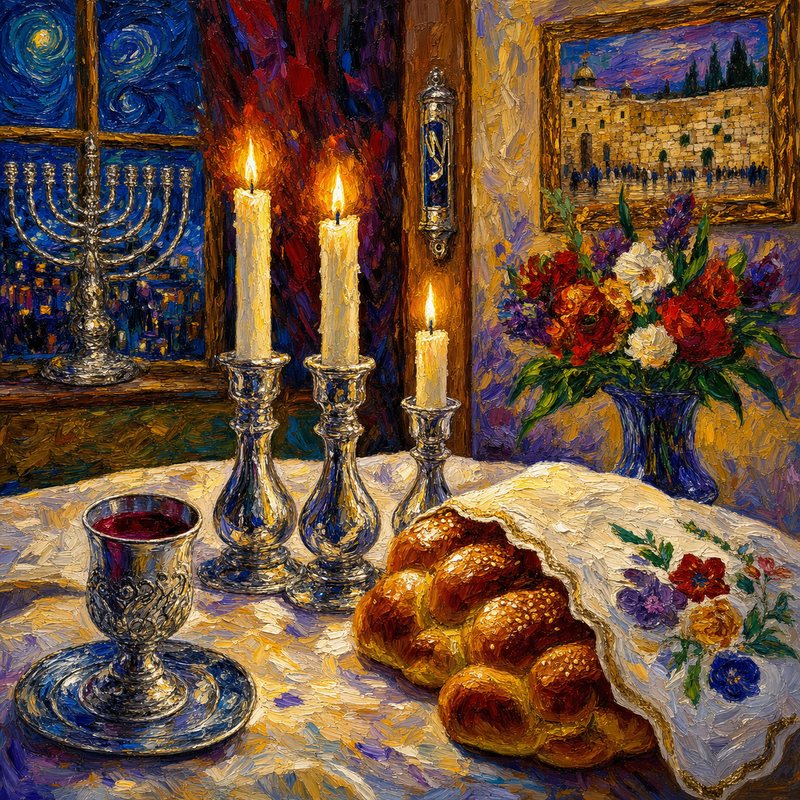
The moments after candle lighting on a Friday evening, when peace and serenity envelop the home with just the strike of a match.


The sound of the glass breaking under a Jewish Chuppah, and the joyous celebration that follows.


The mezuzah that is nailed tight to a doorpost, reminding us daily of the values we hold dear.

What encapsulates a Jewish home is our commitment to invite Divinity into the simplicity.

Judaism, at its core, is defined by how we show up as Jews in the simplest of times; in our daily lives.


It’s the yeasty smell of challah dough on a Friday afternoon or the candlesticks we gift a newlywed Jewish couple. The matching Magen David necklace that instantly sparks a connection with a fellow Jew. It’s the community we continue to build and gravitate towards to ensure we’re surrounded by those that value the same things we do.


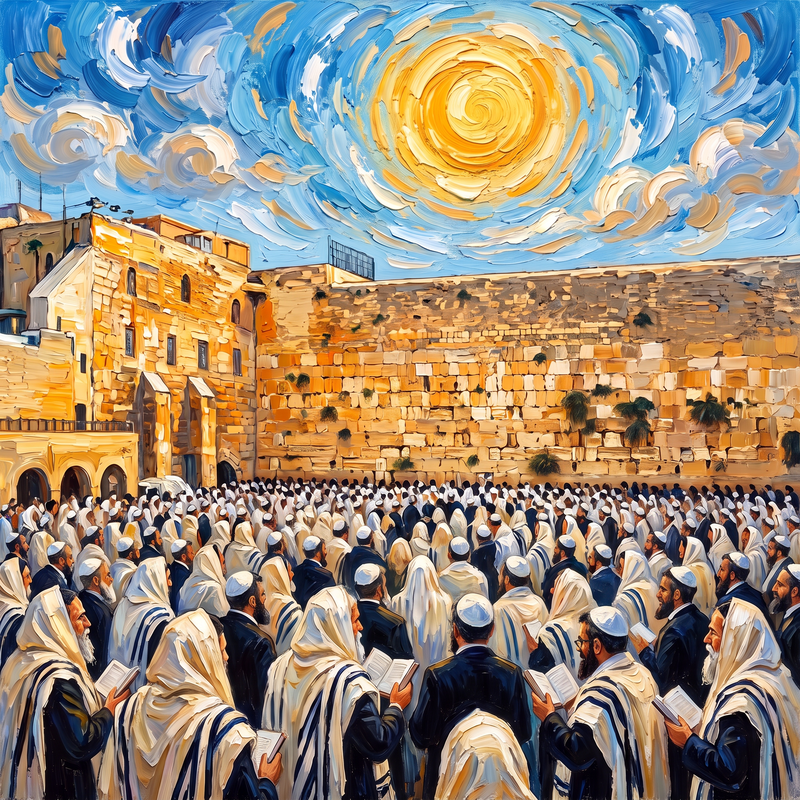
It’s the traditions we turn to, day after day; year after year. It’s the candles lit every Friday night that brighten our Shabbat tables. It is the Menorah we light and arrange proudly by our windows. It is the art piece we display of the Western Wall thousands of miles away, to remember our Jewish history and roots. It is the large dining room table filled with relatives Seder Night, where we retell the stories of our sages and ancestors who performed the same traditions we do in this modern millennia.


In an uncertain, highly antisemitic world, living a Jewish life and cherishing a Jewish home is the ultimate act of faith. Committing to the constant invitation of our Judaism, surrounding ourselves among it, proves to all that we are not afraid of our faith, and that it is ancestral and deep-rooted beyond fear or criticism.


Am Yisrael Chai and happy summer!

The Meaning Behind the Afikoman and the Order of the Passover Seder

The Meaning Behind the Afikoman and the Order of the Passover Seder

Freedom Through Structure in Passover

Passover is often described as a holiday commemorating freedom, but in practice, it is also one of the most structured and organized Jewish holidays. From the weeks leading up to the holiday where we prepare and thoroughly clean our homes, to the meticulous and restrictive cooking, everything follows a strict system. Kitchens are cleaned with unusual diligence, ingredients are reconsidered, recipes are modified, and entire households are reconfigured to make space for Passover as a demanding holiday. Even before the first cup of wine is poured, there is a strict order and guide to follow. The irony is not lost on us: a holiday commemorating freedom demands such discipline and attention to detail, yet that is precisely the point. Freedom in Judaism is not merely chaos and non-confinement, but rather it promotes meaningful, guided actions.

What is the Passover Seder? Understanding the Meaning of “Order”

That sense of order announces itself so clearly in the Passover Seder, the ritual meal that anchors and invites the holiday. The word itself, Seder, means “order” and that first evening itself unfolds with fourteen distinct steps, each one carrying its own degree of symbolism and meaning. Each step has both an action and a meaning:

The 14 Steps of the Passover Seder Explained

  1. Kadesh - we say kiddush over the first cup of wine and drink it, differentiating this night as special and separate from ordinary times.
  2. Urchatz - we wash our hands without a blessing as a first act of preparation to the Seder.
  3. Karpas - we dip a vegetable (usually parsley or celery) in salt water and eat it, representing the salty tears of slavery.
  4. Yachatz - we break the middle matzah; return the smaller half and hide the larger half as the Afikoman. This symbolizes brokenness and poverty, parallel to slavery.
  5. Maggid - we tell the Exodus story, ask the Four Questions, discuss slavery and freedom, and drink the second cup of wine. In the step of Maggid, we practice the ritual of Mesorah - passing on the stories of our ancestors from generation to generation.
  6. Rachtzah - we wash our hands again, this time with the blessing, preparing properly to eat Matzah.
  7. Motzi Matzah - we say the blessing over bread, the special blessing for matzah, and eat the matzah. Matzah symbolizes the bread of affliction and the haste in which our ancestors left Egypt.
  8. Maror - we eat bitter herbs, usually horseradish or romaine lettuce, to symbolize the bitterness of slavery.
  9. Korech - we make a sandwich of Matzah, Maror, and Charoset (a pasty substance symbolizing the brick and mortar that our ancestors as slaves were demanded to make). This concoction combines the bitterness of our slavery and our eventual redemption.
  10. Shulchan Orech - we eat the festive meal, which symbolizes freedom, comfort and celebration.
  11. Tzafun - we find the Afikoman and eat it as the final food or “dessert”. This piece of Matzah, known as the Afikoman, symbolizes the Korban Pesach, the sacrificial lamb offered in the temple on the holiday of Passover.
  12. Barech - we say the blessing for after meals and drink the third cup of wine, symbolizing gratitude after being nourished.
  13. Hallel - we recite traditional songs of praise and drink the fourth cup of wine. We are thankful and joyful for the redemption.
  14. Nirtzah - we conclude the seder with a sentiment of “Next year in Jerusalem”, hoping for the ultimate redemption with the Messiah.

Why the Afikoman is the Most Exciting Part of the Seder

As mentioned several times within the fourteen steps of the Seder, the Afikoman is often one of the more exciting parts of the Seder, especially for children, becoming a fun game of competition. After Yachatz, the Afikoman is hidden, often in a beautified bag, and from that point on, the children are often distracted wondering where the Afikoman might be, and when is the time to start looking for it, waiting for the moment they are finally allowed to search.

The Afikoman Search: A Tradition That Engages Children

By the time the Seder meal is almost over, the search begins. Children scatter through the house looking high and low, from corner to corner, turning the ritualistic moment into a joyful game of Passover hide-and-seek. In some homes, siblings race to compete with one another to be the first to find it; in others, children quietly work together, hoping to uncover the secret hiding spot. The excitement builds knowing the Seder cannot properly continue until the Afikoman returns to the table.

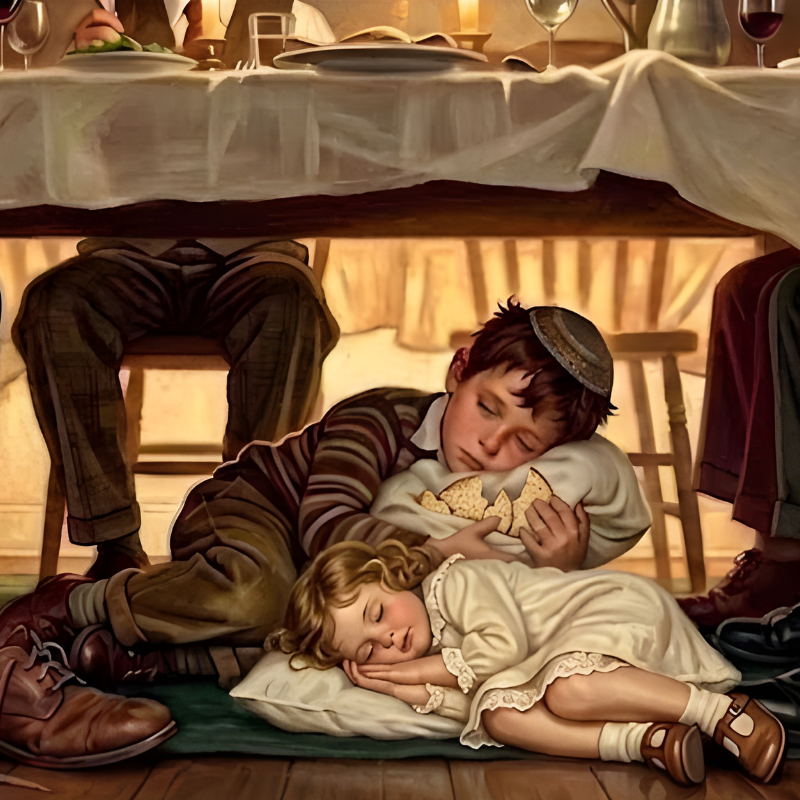
Whoever finds it is often rewarded with a small gift or prize. That custom exists, according to the Talmud, in order that the children do not fall asleep before the Seder concludes. Another reason we reward the children for finding the Afikoman is to keep the children engaged and give them a sense of pride and meaning that they are essential participants in the night’s sequences. The Seder, as we can see, is designed to keep younger generations engaged, like asking them to recite The Four Questions, and the Afikoman search ensures that even late in the evening, they remain invested.

The Deeper Meaning of the Afikoman in Passover

But the search for the Afikoman is not only a game, but rather it has deep symbolism. The Afikoman is not hidden randomly; it begins as the larger half of the broken middle matzah, representing something incomplete that must later be recovered and returned. Its return during Tzafun reminds us that redemption often comes after waiting and searching, representing the real redemption that has yet to come, still hidden in the future.

Looking Ahead: Redemption and the Future of Passover

May we merit to bring a real Korban Pesach next year in Jerusalem!

Happy Passover from Judaica.com!

Batya's Kitchen

Batya’s Kitchen

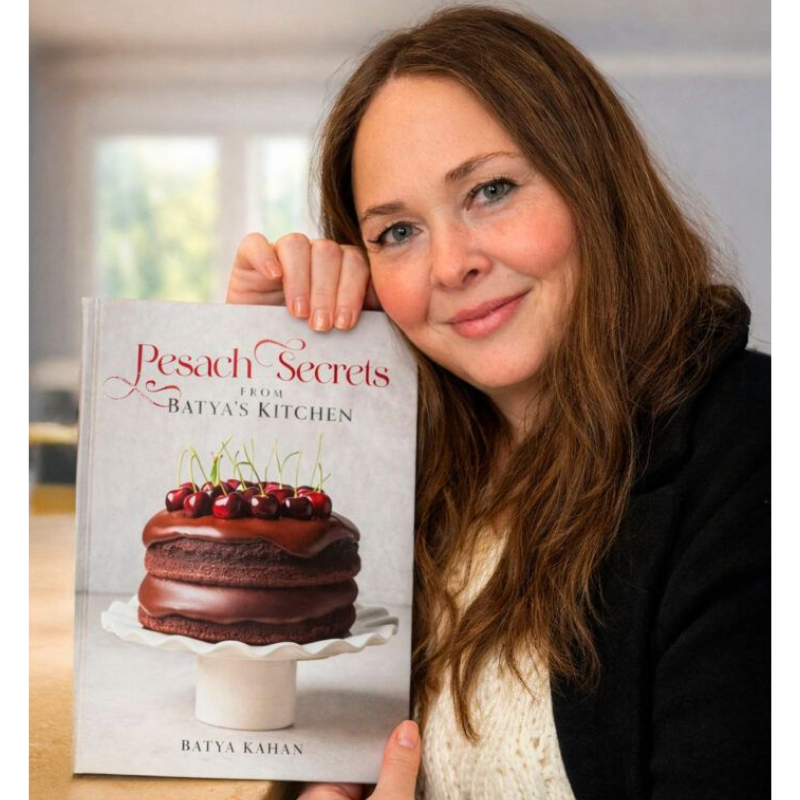
As Passover approaches, Jewish kitchens globally fill with the familiar aromas of brisket, roasted vegetables, and freshly baked gluten free desserts. For cookbook author Batya Kahan, these flavors aren’t just holiday staples—they’re the culmination of years of work in Pesach Secrets, her debut cookbook dedicated to Passover cooking.

We asked Batya a series of questions from what was the inspiration behind this cookbook, to her favorite holiday memories and recipes. We hope you enjoy this feature on Batya, her passion behind beautifying a Passover meal, and the message she’d love her fellow chefs to take away as the holiday approaches.

What inspired you to write a cookbook specifically focused on Kosher for Passover recipes?

I was approached by ArtScroll to write a Passover cookbook after many years of cooking for families and communities through [my company], Batya’s Kitchen. For the past 18 years, Passover preparation has been a central part of my work. Over time I realized that beyond the food itself, people were looking for guidance—how to plan, how to freeze and reheat properly, and how to approach Passover with more calm and confidence. This cookbook became a way to share everything I’ve learned.

Can you tell us a little bit about your background and how cooking became such an important part of your life?

I’ve always loved hosting Shabbat and Yom Tov (Jewish holiday) meals. For me, setting a beautiful table—with fine linens, dishes, cutlery, and stemware—elevates the entire experience. It transforms the meal into something meaningful and special.

When you love something and you see that it brings people joy, you begin to realize that it’s a gift Hashem (God) gave you to make the world a little better. Cooking and hosting became that tool for me.

Do you have a favorite Passover cooking or food memory from childhood or family Seders that influenced the recipes in this book?

Growing up, we often spent Passover with my cousins in Cleveland, the Alevskys, who are Chabad shluchim (emissaries of the Lubavitcher Rebbe). Their home was open to everyone. There were always large meals, guests coming and going, and a wonderful hustle and bustle before [every holiday].

I loved that energy. That’s actually where I learned how to bake my first cake. Looking back, I think the seed for everything I do today was planted there.

Passover cooking comes with a lot of restrictions. How did those limitations influence your creativity when developing these recipes?

Growing up, we didn’t use a huge variety of ingredients. In many ways, creativity comes out when you have less to work with.

I personally never felt deprived by limitations in my cooking. In the cookbook, I do use more ingredients than some more Hassidic (ultra Orthodox) kitchens might, but the techniques and ideas can easily be adapted to different traditions.

And beyond recipes, the book includes many practical resources—guides to the Seder plate, freezing and reheating methods, traveling with frozen food, understanding Passover kosher labels, and mindset tools to help people approach Passover with more clarity and calm.

How would you describe the style of your cookbook—traditional, modern, or a mix of both?

It’s really a blend of both. The recipes carry the nostalgia and warmth of traditional Passover food, but they’re presented in a way that feels fresh and exciting for today’s palate. It’s meant to feel approachable—recipes you see and immediately want to try.

Is there a recipe in the book that feels especially meaningful or personal to you?

Many of the recipes carry the names and memories of women who inspired me.

The Chocolate Brownie Cake on the cover is Molly Feldman’s recipe. She was someone I always admired—her home was always open and there was always hot food on the flame. She was famous for her Friday night cholent.

There’s also Estee Wallerstein’s potato kugel, my mother-in-law’s brownies, Mrs. Zakheim’s chocolate chip cookies, and Leba Schwebel’s silan roast. They’re wonderful recipes—but more importantly, they come from wonderful women whom I admire.

What are a few standout dishes readers should try first for their Passover table?

The stovetop French Roast squares are something I think many people will appreciate for Seder night. People are always looking for a dish that feels elevated and special, but that isn’t just another roasted meat.

The dessert section is also very popular—especially the chocolate mousse and lemon mousse. The variety throughout the book really allows people to build a full holiday menu.

What makes Passover food and the Seder meal so special compared to other holiday meals?

Pesach reminds us why we are here and where we came from. The Seder connects us to our history and reminds us that the redemption will come again.

In many ways, Pesach slows us down and separates us from the noise of the world. It brings us back to hope, faith, and gratitude—the foundations of Judaism.

Who did you have in mind when you were writing this cookbook?

While writing the book, I often thought about my children. I wanted everything I’ve learned to be preserved in one place—a legacy they can always return to.

But I also thought about the many people I’ve been privileged to help over the years. If even one person makes a small change in their kosher kitchen, learns something about kosher standards, or if one woman shifts her mindset from stress to purpose, then the effort was worth it. Hashem (God) gave me this opportunity, and in a way I feel it’s part of my own personal outreach.

What do you hope readers take away from the cookbook when they use these recipes for Passover?

What I hoped for is already happening. Store owners tell me they feel a real excitement around Pesach preparation when people pick up the book.

Pesach sometimes feels like something people are trying to “get through.” My hope is that families instead feel inspired to embrace it. Traditions are built at home. The memories, the teachings, and the identity of a family are shaped around the holiday table.

Do you find creativity easier or harder when cooking for Pesach?

There’s really no shortage of creative possibilities. At the same time, I personally like to keep things practical and grounded. The foods people come back to again and again are the comforting ones—the dishes that feel familiar and satisfying.

Who is this cookbook for?

This cookbook is for anyone making Pesach—whether it’s your first Seder or your thirtieth.

I’m hearing from both young and older cooks. Many gluten-free readers are especially excited because the recipes work beautifully year-round. Some people even tell me they bought two copies—one for Pesach and one to use during the rest of the year.

What message do you hope women take away after completing the holiday using your cookbook?

I hope it helps shift the mindset from stress to purpose.

The Jewish mother is the vessel of blessings in her home. Food, when prepared with love and intention, is love you can taste. She sets the tone and energy of the household. Our sages teach that we were redeemed from Egypt in the merit of righteous women, and we will be redeemed again in their merit.

Where do you draw inspiration from when preparing for such a demanding holiday?

For me, Pesach itself is not stressful, it's making it to the Seder that can be demanding. For me, unlike for others, it's the light at the end of the tunnel.

It feels like hope—almost like my own personal redemption.

I spend months cooking for thousands of families, and when Pesach finally arrives I can breathe and sit at the table with my own family. Knowing that people trusted me with their holiday meals—the taste, the quality, the kosher guidelines—is a tremendous responsibility, and one I never take lightly.

A Final Reflection

On my phone call with Batya, she shared with me a beautiful story about the Lubavitcher Rebbe that inspired her when compiling this cookbook. When Rabbi Krinsky, one of the closest and most trusted aides to the Rebbe was hired, the Rebbe had given Rabbi Krinsky a very marked up letter to retype, with many of the Rebbes notes. When the Rebbe had noticed the overwhelmed expression on Rabbi Krinsky’s face, his advice was to take the instructions “word for word, line by line, and you’ll get through it”.

In my conversation with Batya, she drew the parallel between this story of the Rebbe and the difficulties around maintaining proper executive function surrounding a holiday like Passover. In Batya’s Kitchen, Batya shares several methods and guides on how to prepare for a demanding holiday like Passover with ease, free of stress, and most importantly, joy. She shared her thoughts on the idea that the woman is the nucleus of the home; that when a woman feels at ease and empowered, the home becomes a happy place. Batya’s intention with this cookbook is to take the tumultuous feel around Passover and turn it into an empowering, loving experience.

Click here to order Pesach Secrets, on promotion exclusively at Judaica.com.

At Judaica.com, we warmly wish you a kosher and joyous holiday. Happy Pesach!

Passover (Pesach): Meaning, Traditions, and the Seder Explained

The Story of Passover: Moses, the Ten Plagues, and the Exodus from Egypt

What Is the Story of Passover?

Pesach, also known as Passover, celebrates the Jewish peoples’ historical journey from slavery to freedom. The story begins in the Book of Exodus, and centers on Moshe, or Moses, who is chosen by God to lead the nation out of Egypt.

Who Was Moses?

It all starts in Egypt where the ruler, Pharaoh, felt largely threatened by the population of the Israelites and had feared that their growing numbers may jeopardize his power. To combat this fear, Pharaoh maliciously decreed that all Jewish newborn baby boys were to be killed. It is at this point in history that Moshe was born.

The tale unfolds with Yocheved, Moshe’s mother, as she births and hides her new baby boy. When she felt she could no longer keep him safe from Pharaoh’s radical decree, Yocheved places baby Moshe in a basket and sets him floating on the Nile River hoping someone merciful would find him.

Batya, Pharaoh’s daughter, approached the Nile River to bathe and finds this inconspicuous basket. The tale tells the miracle of Batya’s outstretched arm so she could reach the basket with baby Moshe inside. Batya knew this baby was Jewish but she had that mercy his mother had hoped and decided to raise him as her own. By twist of fate, Moshe’s wet nurse was Yocheved, his own mother. Moshe grew up in the palace with wealth and abundance but was deeply aware of his Jewish identity.

God Speaks to Moses

As Moses grew older, he became deeply unsettled and burdened by the suffering of his own people at the hands of Pharaoh and his executors. His troubled feelings toward Jewish hardship and slavery was so deep that when witnessing a Jewish slave getting beaten by an Egyptian overseer, Moshe acts in anger and kills the overseer. Fearing for his life, Moshe flees Egypt and lives in the wilderness as a shepherd.

The story of the burning bush follows on a day Moshe was routinely tending to his flock. The sight was strange: a bush was on fire but was not being consumed by the flames. Through this miraculous burning bush, God spoke to Moshe and gave him a mission; return to Egypt and lead the Hebrews out of slavery. Moshe doubts that he can lead anyone out of anywhere, even noting a speech impediment that he had, but God promised to guide him and so he went.

The Ten Plagues of Egypt

“Let my people go” isn’t just an idiom we use throughout Passover but it is quite literally what Moses said to Pharaoh upon his return to Egypt. Pharaoh refused; then again; then again. Repeatedly, until God had no choice.

Thus, came the ten plagues.

  1. Blood – the Nile River turns into blood.
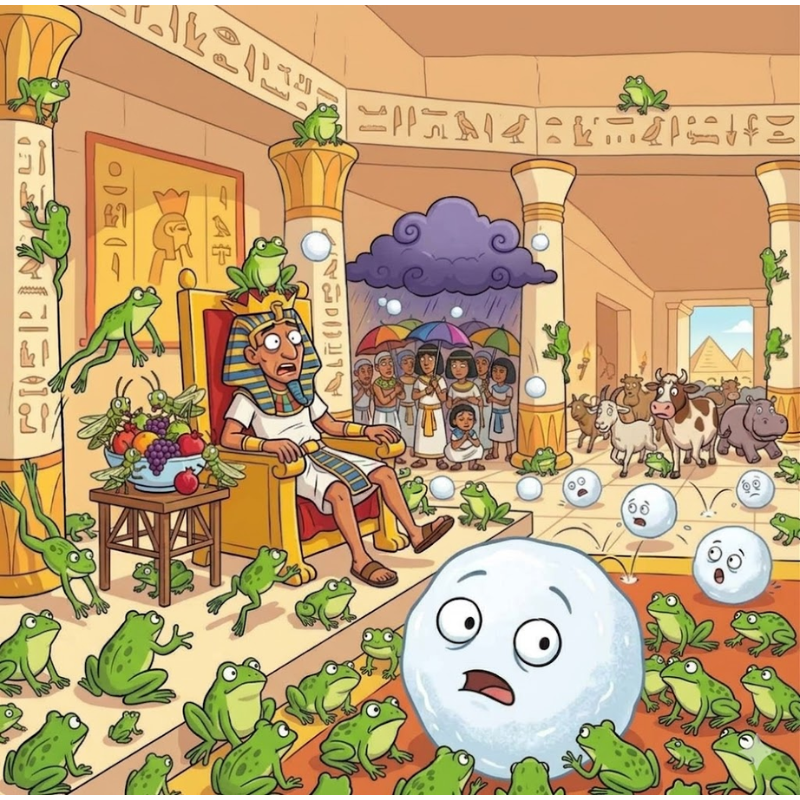
  2. Frogs – an infestation of frogs throughout Egypt, affecting only the Egyptians and never the Jews.
  3. Lice – Egyptians were covered in itchy lice.
  4. Wild Animals – Egyptians were attacked.
  5. Pestilence – a fatal epidemic that killed most of the animals in Egypt.
  6. Boils – painful blisters marred the Egyptian population.
  7. Hail – a storm of unprecedented violence swept the land. It is during this plague that Pharaoh had surrendered however once the hail stopped, it mentions Pharaoh’s heart was “hardened” meaning he had changed his mind.
  8. Locusts – Moses had requested on behalf of the Jewish people so they can worship God in the desert. When Pharaoh refused, even after his advisers advised against it, a swarm of locusts landed in Egypt devouring anything green that had escaped the hail and the previous plagues.
  9. Darkness – Egypt was enveloped in a thick veil of darkness during this ninth plague, and when a flame was ignited, it immediately burned out. Egyptians were the only ones affected by the plague of darkness. There were many Jews who wanted to assimilate and be referred to as Egyptians. Those Jews died during this plague.
  10. Death of the firstborn – Pharaoh attempted to bargain with Moses and his brother Aaron, offering the Jews freedom but demanding they leave their livestock as a pledge. Moses and Aaron informed him that they would expect nothing less than total freedom. Pharaoh then became angry and ordered Moses and Aaron to leave and never to return. At midnight that night, God “passes over” Egypt and kills all firstborn man and beast.

The cries of the Egyptians sounded throughout the land and with this last plague, Pharaoh begs Moses, Aaron, and the Jewish people to flee Egypt and to never return.

It is with this hasty escape after being ordered by Pharaoh to leave immediately that Matzah was created. The Jews did not have time for their dough to rise resulting in flat, unleavened bread, Matzah, which we traditionally eat throughout Passover.

The Splitting of the Red Sea

Soon after the Jews fled, Pharaoh regretted his decision to liberate the Israelites and sent his army out to chase them. Trapped between the Red Sea and an angry, murderous army, the Jews were terrified.

The Midrash, the process in which our Sages interpreted the Torah, tells us that the leader of the tribe of Judah, Nachshon Ben Aminadav, then courageously waded the waters of the Red Sea and only once the water reached his nose did Moses raise his staff by God’s command and the water then split.

The Israelites were finally free.

Jewish Liberation and What That Means For Us Today

Today, Jewish families worldwide remember this journey of our freedom through the Passover Seder, commemorating the suffering and courage of our people. During the Seder, the story of Passover is retold through prayers, traditional songs and symbolic foods.

The story of Pesach is not only about our nations past. It is an annual reminder of the courage we must have as a nation; that courage can begin with a single person, and the hopes for freedom can change the course of history.

Wishing you a Chag Kosher v’Sameach!

Happy Passover!

Purim: Courage in an Upside-Down World

Purim: Courage in an Upside-Down World

Introduction

In an upside-down world, part of the many Mitzvot of Purim is to act “upside down” on purpose. Purim is often remembered as the loudest and most playful holiday on the Jewish calendar and the “upside downness” may be the reason why. Children dress in costumes, adults say L’Chaim until they “can’t tell apart Haman and Mordechai” and gift baskets (Mishloach Manot) of food and drink are exchanged with joy. But beneath the ruckus and celebration lies one of the most intense stories in Jewish history. The story of Purim is one about antisemitism, the danger of hiding who we are, and the quiet but loud courage that is required to survive as a Jewish nation.

The Story of Purim in Ancient Persia

The story of Purim, told in the book of Esther, takes place in ancient Persia where King Achashverosh ruled over a vast, powerful empire. After his wife, Queen Vashti, refused to attend one of the many feasts that he had, King Achashverosh banishes his wife and immediately after, seeks out a new queen. Esther, a young Jewish girl, hides her identity as a Jew and with guidance from her cousin Mordechai, in an attempt to gain leverage in the kingdom, “applies” for Queenship to which she is granted.

Enter Haman, the king’s most trusted advisor, whose hatred for Jews becomes personal when Mordechai refuses to bow to him. Seething in anger, Haman convinces the king to issue a decree calling for the annihilation of all Jews in the empire. This sequence is one of the earliest recorded examples of an empire conducting an act of “justified antisemitism”. This eradication of the Jewish people, men, women and children, was to take place on a single day. In a deceptive and vindictive move, Haman chooses a day via lottery that is the 14th day of the month of Adar.

The Jews are suddenly facing an existential threat, and the mere existence of the Jewish people hangs in the balance. Queen Esther is forced to confront a terrifying decision – remain hidden as a Jew and thus marked safe, or reveal who she is to the king that adores her, but risk everything: her leverage, her safety, her life. Mordechai’s words echo to Esther; the question of perhaps Haman’s decree is the reason you attained royalty status. Esther, through grit and determination, a quality imperative to have as a Jew, chooses courage. She reveals her identity to King Achashverosh, exposes Haman’s plot, and through a series of miraculous reversals, the decree is overturned. The Jewish people, once again, survive.

Chanukah vs Purim: Two Different Threats to Jewish Survival

The dangers the Jewish people faced in the stories of Chanukah and Purim both threaten the nation and its existence but in different ways. The Romans did not want to annihilate the Jewish people the way Haman did. Rather, through outlawing Jewish practices like Brit Milah and Shabbat, they were pressured to assimilate and abandon public expressions of their Judaism. The objective wasn’t to kill Jews but to strip their Judaism from them.

Purim presents a far more dangerous threat. Haman was not interested in religious reform or assimilation. His plan was for the total destruction of Jews, much like the genocide of Jews during the Holocaust in recent times. The issue was not that the Jews practiced their faith but that they existed at all. If Chanukah represents the fight for the right to live openly as Jews, Purim represents the right to live at all. Post-October 7th, this parallel feels especially relevant.

Hidden Miracles and the Concealed Hand of God

Then, the miracles. Unlike Chanukah, where the miracles were open, revealed and of military triumphs, the Purim story unfolds in a concealed manner. Interestingly, in the book of Esther, God’s name is not mentioned, an ode to the idea that the overturning of Haman’s decree did not defy nature in any way like the Maccabees victory over the powerful Grecian army in the Chanukah story. The Divine protection in the Purim story is subtle, and through human action, timing and bravery, were the Jewish people spared from death. This is why costumes are so central to the holiday. They symbolize the hidden realities, the masks people wear, and the danger of being known.

The Talmud notes that one of the holiest days in the Jewish calendar, Yom Kippur, can be read as Yom HaKippurim which translates to “a day ‘like Purim’”. Objectively, these two holidays could not be more different. Purim is a day that is celebrated with festivities, joy, and feasting, whereas Yom Kippur is a day of self-reflection, judgement, and fasting. The Talmud explains that the similarities are in revelation. Yom Kippur reveals who we are as people, through introspection before God, and Purim reveals who we are beneath the masks. Both affirm that whether beneath the concealment of sinning or costume is a Jewish soul worth saving.

Antisemitism Then and Now

Haman’s decree was not simply to kill Jews but to erase them as a people. This theme, as usual, feels particularly relevant today where antisemitism is especially rampant. For much of Jewish history, hiding one’s identity was a means of survival. Names were often altered, languages changed, and traditional customs were practiced quietly. Visibility could invite violence, and in dire circumstances, death. Even now, in a modern world that prides itself on inclusivity and tolerance, antisemitism knows no bounds. Sometimes overt and violent, and other times, subtle but indicative. Jews are blamed for the world’s problems, stereotypes are growing, and just like Mordechai’s refusal to bow in the Purim story, one small act of defiance can cause a storm.

The Ongoing Relevance of Purim

Today, Purim begs the questions that we must ask ourselves as Jews. When do we hide to preserve Jewish life? When do we speak up to defend Jewish life? Purim remains relevant because the story’s pattern remains prevalent in Jewish history. There are moments of hostility and fear, moments of uncertainty in the face of the world’s hatred, but there are also key moments that require bravery and courage. Every generation faces its own version of these moments but the responsibility, to remain a unified people, is the same.

Living with Courage This Purim

So, this year, as you exchange gifts with loved ones, give charity to those in need, and listen to the Megillah’s account of our survival, do so with intention. Remember the courage Esther found even when she felt alone and afraid because she did not act out of fearlessness but rather because the moment demanded it. Remember that Esther’s resolve is the reason we are still here today. And in times of uncertainty, choose to live openly and deliberately as part of Jewish history.

Happy Purim!

Have You Kissed Your Mezuzah Today?

Have You Kissed Your Mezuzah Today? Here’s Why You Should

One Light That Illuminates the Darkness

Hassidut teaches us that “It only takes one light to illuminate the darkness”. The Lubavitcher Rebbe, Rabbi Menachem Mendel Schneerson of blessed memory, often taught that it is this teaching that captures the essence of what it means to live a purposeful Jewish life. How seemingly simple, “small” actions can have the greatest of impacts when done with thought and intention.

The Jewish Home and the Power of Daily Life

To illustrate, a Jewish home radiates pride and meaning, but it is in the little things that create its warm embrace to those who walk through it; the siddur on the coffee table, the smell of chicken soup on Friday afternoon, the candlesticks waiting to be lit for Shabbat. Judaism, by default, is not confined to big, momentous occasions or holidays. It is in the daily habits and the overall rhythm of our lives that creates and sanctifies our connection with God.

The Mezuzah as a Permanent Marker of Jewish Life

A Jewish home does not announce itself loudly because it doesn’t need to. It is marked instead by what is always there, like the Mezuzah fastened to every doorpost, present in the comings and goings of daily Jewish life. It witnesses the chaos of every weekday, the stillness of Shabbat, and the beauty of every holiday in between. Without spectacle, the Mezuzah declares a home as Jewish, not by a grand display but by permanence.

What Is Inside a Mezuzah and Why It Matters

Placed on the right side of every doorpost, a Mezuzah holds a scroll of the Shema prayer, a declaration of God’s oneness. The Mezuzah is not simply for show, it is an active directional. Each time we pass it, entering or leaving any room, we tap it with our hand and kiss the fingers that touched it as it quietly reminds us who we are and what kind of lives we strive to live. It is a quiet, subtle declaration of our commitment and dedication to God, solidifying our promise to not just be Jewish but to live Jewish.

Kosher Mezuzah and the Importance of Precision

Judaica gives tangibility to this permanent Mitzvah. Although beautiful, the Mezuzah is not decorative but rather deeply rooted in daily Jewish life. It maintains its meaning when it is Kosher, because the sanctity of Mitzvah Mezuzah comes from the handwritten Shema blessing on the parchment inside, not from the case enclosing it. If the scroll is damaged or the letters are written improperly, the Mezuzah, although maintains its symbolic meaning, becomes no longer Kosher.

The Rebbe’s Emphasis on a Kosher Mezuzah

The Rebbe placed strong emphasis on the Mitzvah of Mezuzah, often encouraging Jews everywhere to ensure their Mezuzot were not only hung up, but kosher.

He taught that a Mezuzah offers spiritual protection to the home and those within it, but only when written and maintained properly. Like the Mitzvah of Tefillin, its power lies in both its presence and its precision. Experts in reading these scrolls meticulously dissect each word to ensure that it is of utmost clarity and accuracy.

Mezuzah and Tefillin: Mitzvot That Depend on Accuracy

The same level of stringency applies to the Mitzvah of Tefillin, one that The Rebbe was specifically passionate about. If the two Tefillin scrolls do not maintain a Kosher qualification, that set of Tefillin loses its “Kosher” label. Being that the Mitzvot of both Mezuzah and Tefillin cannot be performed without Kosher scrolls, companies with experienced scholars exist to intricately inspect each letter within these Judaica items to ensure the Mitzvah is done properly.

Why Square Tablets Exists

Why Square Tablets?

It is this important and necessary attention to detail that inspired the launch of SquareTablets.com, Judaica.com’s highly trusted partner. Rooted in The Rebbe’s teachings, SquareTablets exists to give confidence that Jews are performing these Mitzvot with Torah items that are in its purest, most accurate forms.

SquareTablets will only offer Tefillin and Mezuzot of the highest standard, each written and inspected by skilled experts and digitally scanned to ensure they are 100% kosher, guaranteed. Because when even one Mitzvah can illuminate darkness, how it is executed matters.

A Story That Illustrates the Power of a Kosher Mezuzah

As mentioned above, The Rebbe had a strong position on a Kosher Mezuzah and its importance. To illustrate the Rebbe’s passionate outlook on this Mitzvah is a story of a little baby girl who accidentally punctured her eardrum with a Qtip. In a dire situation because of hearing loss, the parents brought this baby in for two surgeries that were both unsuccessful. Hopeless in the face of challenge, the father of this baby wrote to the Rebbe about the injury. Aside from suggesting a specialty doctor down south, the Rebbe’s guidance was to check the scroll of the Mezuzah that was on the doorpost of the baby’s bedroom. Baffled by this suggestion, but with no other choice in the face of hopelessness, the father disassembled the Mezuzah case, unrolled the scroll, only to find that the word Shema, which means to hear, was missing from the blessing. Behold, an unKosher Mezuzah.

This story deeply showcases the importance of maintaining Kosher Judaica and SquareTablets is there to ensure that both Mitzvah Mezuzah and Tefillin are performed correctly.

The Rebbe’s Tefillin Campaign and Jewish Outreach

What made The Rebbe’s Tefillin campaign revolutionary was its strong focus on Jewish outreach. Chabad Shluchim then, as they still do today, went into public spaces like college campuses, office buildings, airports, and even battlefields to bring the opportunity to do this sacred Mitzvah to Jews who otherwise may never have had the chance to do so.

This new form of outreach, often referred to as “spreading out”, or “spreading light”, made Judaism welcoming and accessible beyond synagogue walls.

After the Six Day War, The Rebbe insisted the campaign continue; that performing the Mitzvah of Tefillin should not only be in response to crisis alone but as a permanent expression of the Jewish faith, connecting Jews of all levels of observance worldwide.

Daily Mitzvot as a Living Jewish Identity

This explains why Chabad rabbis and Shluchim (Jewish emissaries) are often seen in public spaces offering Jews worldwide a chance to perform the Mitzvah of Tefillin. Worn on the arm near the heart, and on the head, Tefillin serve as a reminder to align our thoughts and actions with the Divine.

Although the public setting in which these emissaries are stationed, whether on Venice boardwalk or Times Square, may seem unexpected or removed from holiness, the message is the same. Mitzvot (commandments) like Tefillin are not reserved for special moments like a Bar Mitzvah or a holiday, but it’s in its daily practice that one finds meaning and connection in their Jewish identity.

Continuing the Rebbe’s Vision Today

The Rebbe constantly reminded us with his powerful, meaningful words that every Jew has a spark of holiness within them and it is our responsibility to give them the opportunity to fulfill even one Mitzvah.

It is this vision that gives Chabad emissaries around the globe the strength and dedication to continue their mission of bringing every Jew one step closer toward a deeper connection with God and their Jewish faith.

Inspired by this same vision, we at Judaica.com are committed to helping Jews connect with their faith by providing the tools and resources needed to fully engage in Jewish life. In doing so, we continue The Rebbe’s legacy by turning inspiration into meaningful action and strengthening Jewish practice in everyday life.

To shop our Mezuzah sale, click here.