Get expert help from team members like Azik

Passover (Pesach): Meaning, Traditions, and the Seder Explained
- Mar 2, 2026
The Story of Passover: Moses, the Ten Plagues, and the Exodus from Egypt
What Is the Story of Passover?
Pesach, also known as Passover, celebrates the Jewish peoples’ historical journey from slavery to freedom. The story begins in the Book of Exodus, and centers on Moshe, or Moses, who is chosen by God to lead the nation out of Egypt.
Who Was Moses?
It all starts in Egypt where the ruler, Pharaoh, felt largely threatened by the population of the Israelites and had feared that their growing numbers may jeopardize his power. To combat this fear, Pharaoh maliciously decreed that all Jewish newborn baby boys were to be killed. It is at this point in history that Moshe was born.
The tale unfolds with Yocheved, Moshe’s mother, as she births and hides her new baby boy. When she felt she could no longer keep him safe from Pharaoh’s radical decree, Yocheved places baby Moshe in a basket and sets him floating on the Nile River hoping someone merciful would find him.
Batya, Pharaoh’s daughter, approached the Nile River to bathe and finds this inconspicuous basket. The tale tells the miracle of Batya’s outstretched arm so she could reach the basket with baby Moshe inside. Batya knew this baby was Jewish but she had that mercy his mother had hoped and decided to raise him as her own. By twist of fate, Moshe’s wet nurse was Yocheved, his own mother. Moshe grew up in the palace with wealth and abundance but was deeply aware of his Jewish identity.
God Speaks to Moses
As Moses grew older, he became deeply unsettled and burdened by the suffering of his own people at the hands of Pharaoh and his executors. His troubled feelings toward Jewish hardship and slavery was so deep that when witnessing a Jewish slave getting beaten by an Egyptian overseer, Moshe acts in anger and kills the overseer. Fearing for his life, Moshe flees Egypt and lives in the wilderness as a shepherd.
The story of the burning bush follows on a day Moshe was routinely tending to his flock. The sight was strange: a bush was on fire but was not being consumed by the flames. Through this miraculous burning bush, God spoke to Moshe and gave him a mission; return to Egypt and lead the Hebrews out of slavery. Moshe doubts that he can lead anyone out of anywhere, even noting a speech impediment that he had, but God promised to guide him and so he went.
The Ten Plagues of Egypt
“Let my people go” isn’t just an idiom we use throughout Passover but it is quite literally what Moses said to Pharaoh upon his return to Egypt. Pharaoh refused; then again; then again. Repeatedly, until God had no choice.
Thus, came the ten plagues.
- Blood – the Nile River turns into blood.
- Frogs – an infestation of frogs throughout Egypt, affecting only the Egyptians and never the Jews.
- Lice – Egyptians were covered in itchy lice.
- Wild Animals – Egyptians were attacked.
- Pestilence – a fatal epidemic that killed most of the animals in Egypt.
- Boils – painful blisters marred the Egyptian population.
- Hail – a storm of unprecedented violence swept the land. It is during this plague that Pharaoh had surrendered however once the hail stopped, it mentions Pharaoh’s heart was “hardened” meaning he had changed his mind.
- Locusts – Moses had requested on behalf of the Jewish people so they can worship God in the desert. When Pharaoh refused, even after his advisers advised against it, a swarm of locusts landed in Egypt devouring anything green that had escaped the hail and the previous plagues.
- Darkness – Egypt was enveloped in a thick veil of darkness during this ninth plague, and when a flame was ignited, it immediately burned out. Egyptians were the only ones affected by the plague of darkness. There were many Jews who wanted to assimilate and be referred to as Egyptians. Those Jews died during this plague.
- Death of the firstborn – Pharaoh attempted to bargain with Moses and his brother Aaron, offering the Jews freedom but demanding they leave their livestock as a pledge. Moses and Aaron informed him that they would expect nothing less than total freedom. Pharaoh then became angry and ordered Moses and Aaron to leave and never to return. At midnight that night, God “passes over” Egypt and kills all firstborn man and beast.
The cries of the Egyptians sounded throughout the land and with this last plague, Pharaoh begs Moses, Aaron, and the Jewish people to flee Egypt and to never return.
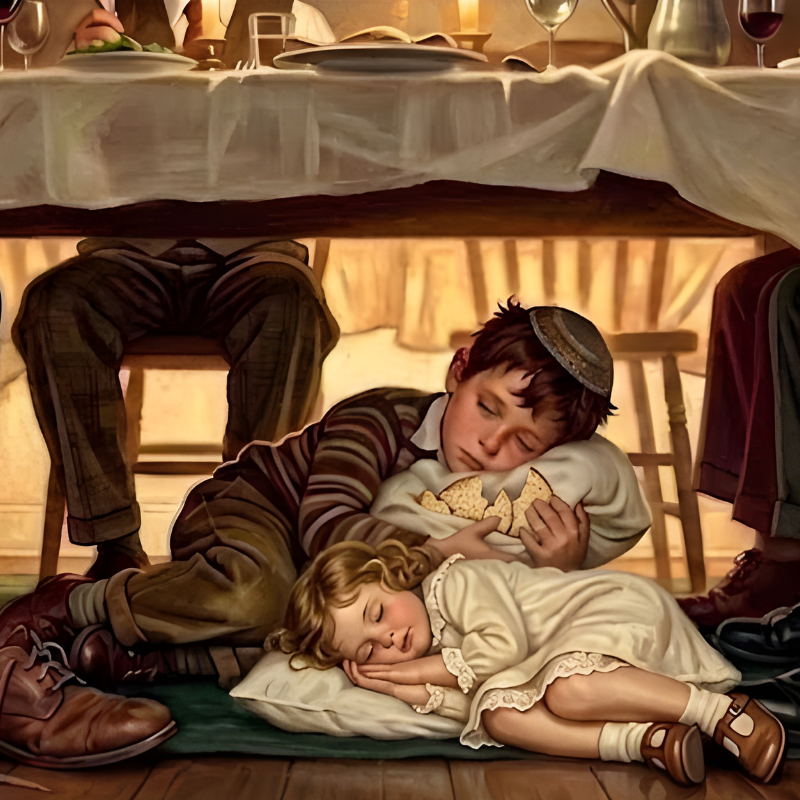
It is with this hasty escape after being ordered by Pharaoh to leave immediately that Matzah was created. The Jews did not have time for their dough to rise resulting in flat, unleavened bread, Matzah, which we traditionally eat throughout Passover.
The Splitting of the Red Sea
Soon after the Jews fled, Pharaoh regretted his decision to liberate the Israelites and sent his army out to chase them. Trapped between the Red Sea and an angry, murderous army, the Jews were terrified.
The Midrash, the process in which our Sages interpreted the Torah, tells us that the leader of the tribe of Judah, Nachshon Ben Aminadav, then courageously waded the waters of the Red Sea and only once the water reached his nose did Moses raise his staff by God’s command and the water then split.
The Israelites were finally free.
Jewish Liberation and What That Means For Us Today
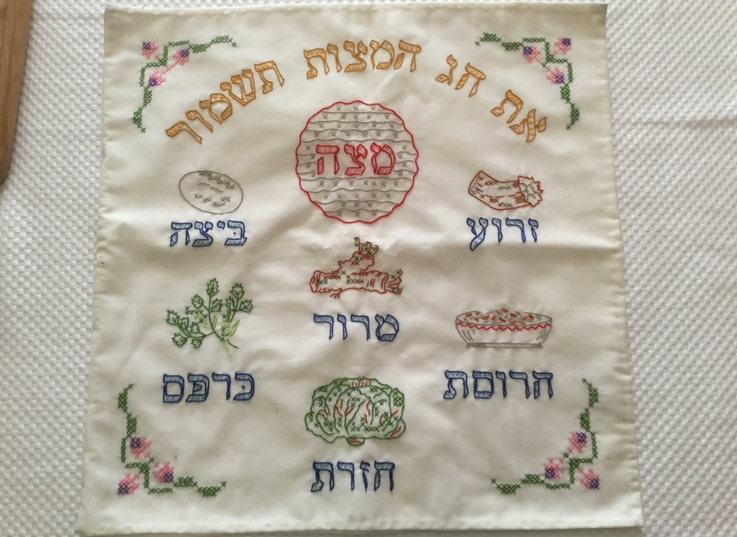
Today, Jewish families worldwide remember this journey of our freedom through the Passover Seder, commemorating the suffering and courage of our people. During the Seder, the story of Passover is retold through prayers, traditional songs and symbolic foods.
The story of Pesach is not only about our nations past. It is an annual reminder of the courage we must have as a nation; that courage can begin with a single person, and the hopes for freedom can change the course of history.
Wishing you a Chag Kosher v’Sameach!
Happy Passover!