Get expert help from team members like Azik

The King is in What Field?
- Aug 25, 2026
The King is in What Field?
Is it just me or is the idiom the King is in the field everywhere these days? Bloggers, email blasts, school newsletters and the likes. But what exactly does it mean that the King, our Creator, Gd, is in the field?
You see, there is a special feeling that comes with the month of Elul. The aura of Jewish living seems to immediately transform with the upcoming high holidays and the beauty of the month of Elul is in the idea that it is almost like a “buffer” month. The shofar will soon sound on Rosh Hashana, and the heavenly gates will open and close with the holiest day of the year, Yom Kippur however, we are not expected to walk into these auspicious moments blindly or unprepared.
Therefore, Gd gives us Elul.
Elul, the final month of the Jewish calendar, is considered a month of reflection, repentance, prayer, and preparation. It is the opportunity to form a renewed connection with Gd as we approach the High Holidays. Elul makes way for reflection of the past and a newfound transformation within our own lives. And at the heart of Elul is one of the most beautiful and profound Chassidic teachings: the King is in the field.
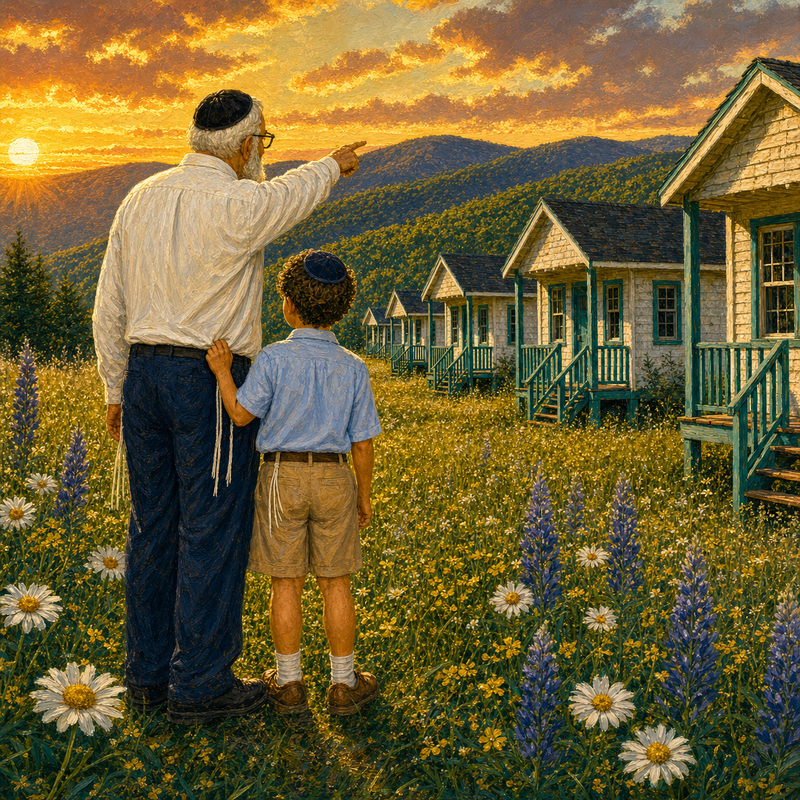
The teaching comes from Rabbi Schneur Zalman of Liadi, the Alter Rebbe, founder of Chabad Chassidism. The Alter Rebbe describes a great king who is traveling toward his royal city. Typically, a king is accessible only within the walls of his grand palace, exclusively to his royal courtship. But before the king reaches the city, he travels throughout the surrounding fields. There, ordinary folk can approach him without following the formal royal protocol.
The king greets the people kindly, welcomes them, and does not demand that they first become members of the royal court for this meeting but rather he meets them where they are.
This is the spiritual reality of Elul. During this month, the King, our Gd, is metaphorically “in the field”. He is approachable and accessible ahead of the New Year.
This metaphorical meeting does not take place in the palace or on castle grounds but rather in the field, representing ordinary life.
The field symbolizes our place of work, our homes, our communities; where we make mistakes, pursue passions, struggle, grow and keep trying. It is not necessarily a place of holiness, it is simply where life takes place.
The Alter Rebbe teaches that this is the point!
We do not have to wait until we are spiritually perfect or connected to reach out to Gd. We can meet him wherever we are.
Elul therefore holds a sacred message of incredible accessibility.
You can connect today. You can pray today. You can give charity today. You can commit today.
Exactly as you are. And while we are encouraged to take this time of year for personal reflection and accountability, the king’s warm greeting in the field signifies that the starting point for this connection ahead of the New Year is love.
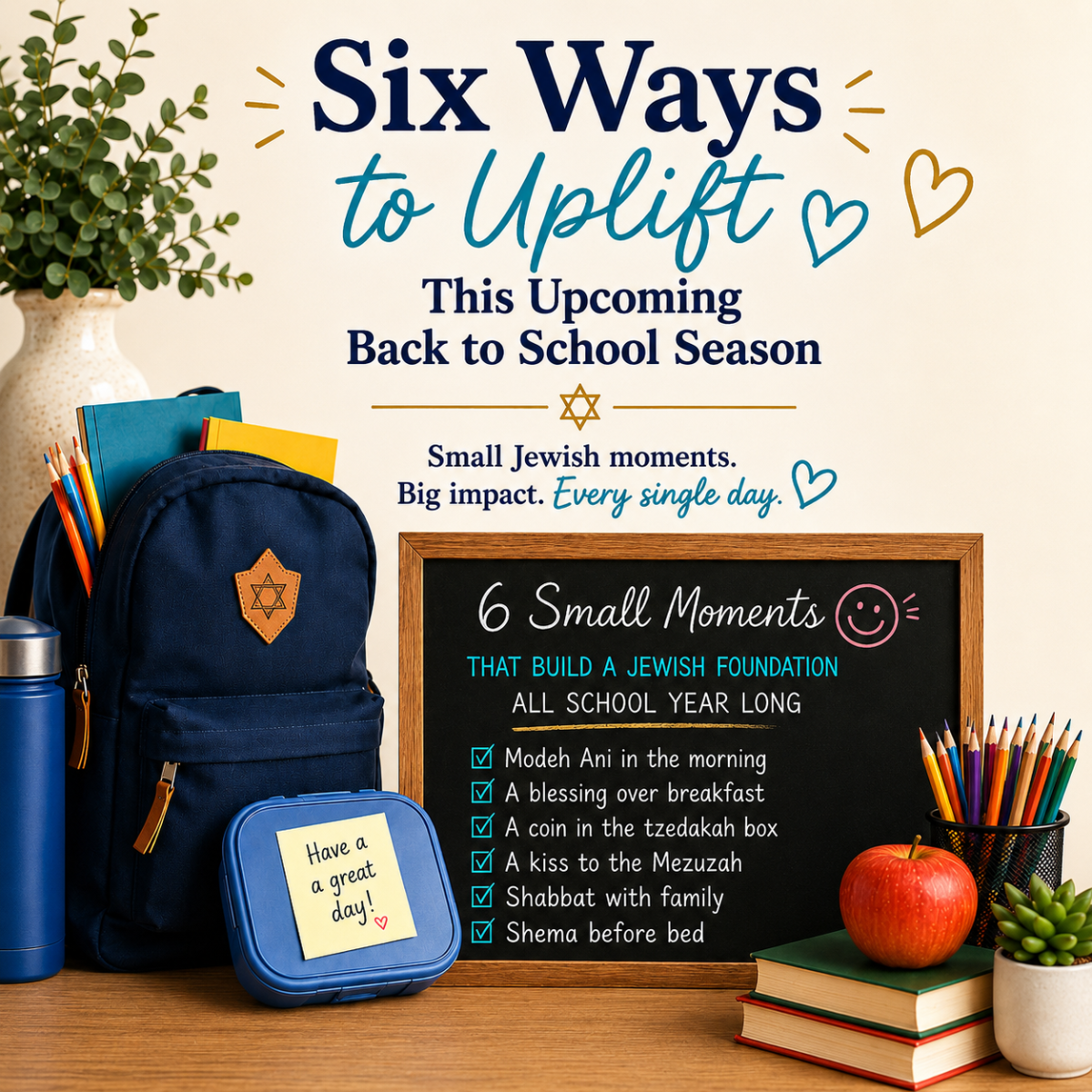
The first letters of the Hebrew words Ani Ledodi Vedodi Li, “I am my beloved’s and my beloved is mine” form the word Elul. The Alter Rebbe explains that the order of the words is significant. Starting with Ani, me, signifies that first step that we take toward Gd. We are not merely waiting for inspiration to strike us before approaching the Creator for a connection but rather we are given an opportunity to initiate however we’d like. Whether that first spark of connection comes from praying, lighting Shabbat candles, giving Tzeddakah, kissing the Mezuzah or even just a quiet act of kindness, we are saying, “I am my Beloved’s.”
During the month of Elul, we take a step toward Gd in the field and discover that He was already waiting.
Wishing you all a beautiful, inspired and introspective month of Elul, from Judaica.com!
```